
Paediatric Services
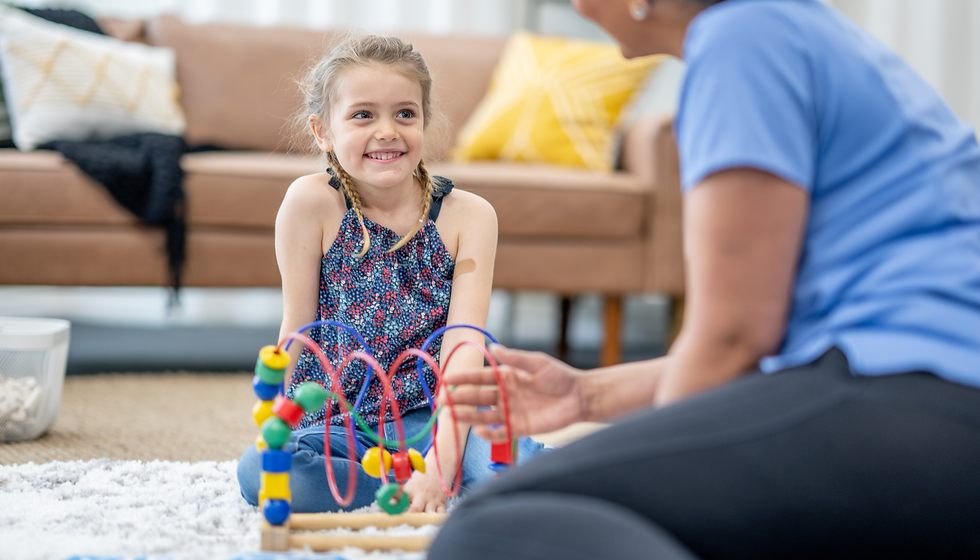
Play is a child’s most important occupation, and through play-based occupational therapy we support the development of the skills needed for learning, independence and everyday participation.
Developmental Screenings
Developmental screenings are designed to identify whether your child’s development is progressing as expected for their age. Screenings may be helpful if there are concerns about motor skills, play, attention, independence, learning-related skills or overall development.
The screening provides an overview of your child’s current abilities and helps determine whether further assessment or occupational therapy intervention may be recommended.

Comprehensive Assessments
Comprehensive OT assessments provide a detailed understanding of your child’s strengths, challenges and functional abilities. Assessments may include clinical observations, caregiver interviews and appropriate standardised assessment tools where indicated.
The assessment process helps identify areas that may be affecting your child’s participation in everyday activities at home and school, and guides recommendations for intervention and support.

Individual therapy sessions
Individual OT sessions are tailored to your child’s unique needs, strengths and goals.
Therapy focuses on developing the skills required for participation in everyday activities, including play, self-care, learning and functional independence. Sessions are planned according to your child’s age, developmental stage and identified areas of need, with ongoing collaboration between the therapist, parents and other relevant professionals where appropriate.

Neurological and orthopaedic rehabilitation
OT is available for children with neurological or orthopaedic conditions that affect movement, function, independence and participation in daily activities. Intervention is aimed at supporting functional abilities, promoting participation in meaningful activities and assisting children and their families in managing everyday challenges associated with these conditions.

Home programmes and
parent guidance
Home programmes are designed to provide practical activities and strategies that can be incorporated into your child’s daily routine.
Parent and caregiver guidance forms an important part of the therapy process, helping families understand their child’s needs and providing practical support that can be carried over between therapy sessions. Programmes are individualised and adjusted according to your child’s goals and progress.

School-based support & reports
OT reports and recommendations can assist schools, teachers and families in understanding a child’s functional needs within the educational environment.
This may include support related to classroom participation, fine motor skills, handwriting, visual perceptual skills, attention, organisation, self-care and other school-related activities.
Reports are tailored to the child’s individual needs and may provide practical recommendations to support participation and learning.

Who can benefit from paediatric occupational therapy?
Occupational therapy may be appropriate for children who are experiencing difficulties with everyday activities, development or participation at home, school or in the community.
A child may benefit from assessment or intervention if there are concerns related to:
Fine Motor Skills
Using the small muscles of the hands for activities such as drawing, cutting, writing, buttoning clothing and using utensils.
Gross Motor Skills
Coordinating the body for activities such as running, jumping, climbing, balancing and participating in physical play.
Handwriting
Letter formation, pencil grip, writing speed, legibility and written work at school.
Visual Perceptual Skills
Understanding and interpreting visual information, which may affect reading, writing, copying from the board, puzzles and spatial awareness.
Attention and concentration
Maintaining focus, following instructions and participating in classroom and daily activities.
School readiness
Developing the foundational skills needed for successful participation in the school environment.
Play and social participation
Engaging in age-appropriate play, interacting with peers and participating in group activities.
Neurological or orthopaedic conditions
Conditions affecting movement, coordination, function or independence.
Developmental difficulties
Concerns regarding a child’s progress across developmental areas.
Independence in daily activities
Participating as independently as possible in everyday tasks appropriate for the child’s age and stage of development.
What to expect
The OT process begins with gaining an understanding of your child's strengths, challenges and everyday experiences.
Depending on the reason for referral, this may involve a developmental screening, a comprehensive assessment, observation, discussion with parents or caregivers, and where appropriate, input from teachers or other professionals involved in your child's care.
Following the assessment, findings and recommendations will be discussed with you. If intervention is indicated, therapy goals will be developed collaboratively and tailored to your child's individual needs. Home programmes, practical strategies and ongoing communication may also form part of the process to support your child's participation across home, school and community environments.
Working with families and other professionals
Occupational therapy is most effective when it considers the environments in which a child grows, learns and participates every day. Collaboration with parents and caregivers is an important part of the therapy process, and practical strategies may be provided to support participation and independence within everyday routines.
Where appropriate and with parental consent, communication with teachers, schools and other professionals involved in the child’s care may form part of the assessment and intervention process. This collaborative approach helps ensure that recommendations are relevant and appropriate across the child’s home, educational and community environments.